
Young doesn't mean immune.
Know your normal. Notice a change? Get it checked.
A Breast Cancer Awareness Month initiative by Paola Kohl and PK Creative, for every young woman who has ever thought “it’s probably nothing.”
Why this
matters
Around three Australian women under 40 are diagnosed with breast cancer every day.
Breast cancer is the most commonly diagnosed cancer in women aged 20–39. For women under 40, routine mammographic screening isn't recommended as an early-detection strategy. That makes knowing what's normal for your breasts — and seeing your doctor when something changes — especially important.
Sources: Cancer Australia — Breast cancer in young women · Finding cancer early
Know your
normal
There's no one right way to check. Get familiar with how your breasts usually look and feel, so you're more likely to notice when something changes.
- A new lump or thickening in your breast or under your arm
- A change in the size or shape of your breast
- Changes to your nipple, including discharge, crusting, redness or inversion
- Dimpling, puckering or other changes to the skin of your breast
- Unusual pain in your breast that doesn't go away
- Swelling or discomfort in your armpit or around your collarbone
Notice something different? See your doctor. And if you're still concerned, keep asking questions or seek a second opinion.
Why I'm
saying this
out loud
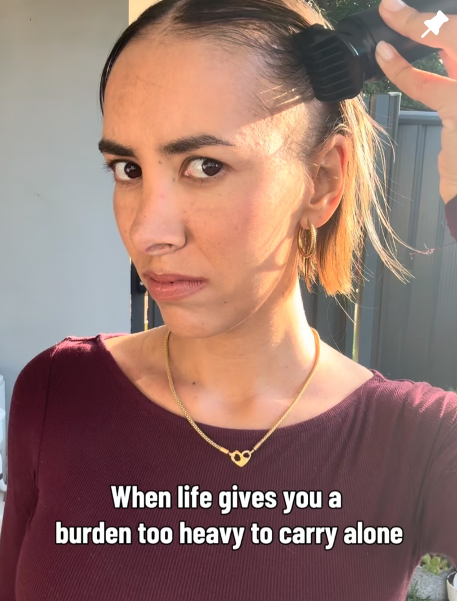
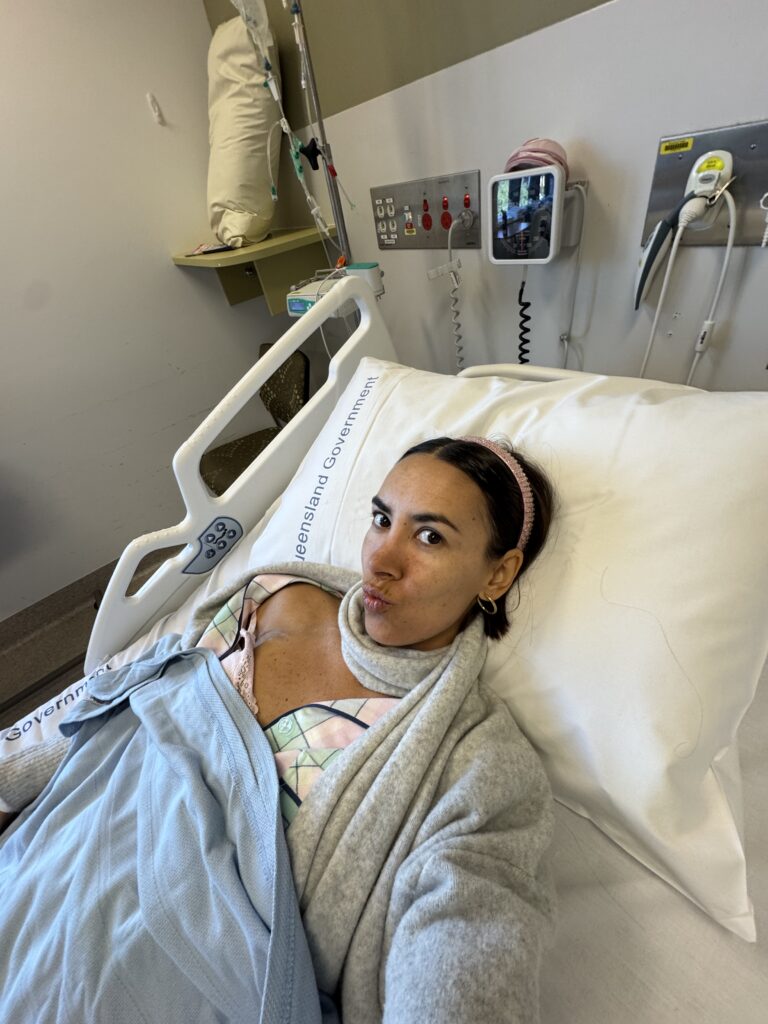
I'm Paola. I was 31 when I was diagnosed with Stage III HER2-positive breast cancer.
But my story started months earlier, with a small lump in my left breast.
While I was in Bali, a local masseuse felt the lump during a massage. She stopped and told me I needed to get it checked as soon as I got back to Australia. She was genuinely concerned.
So I did.
I had an ultrasound. The lump was noted as suspicious, but at 31, with no family history of breast cancer that I knew of, I was told to come back and repeat the scan in six months.
I never made it to that six-month scan.
In just a
few months,
everything
changed.
Life changed very quickly. And the lump I had been told to monitor didn't wait six months.
-
The lump changed
It became harder to ignore.
During my pregnancy, I noticed significant changes in my breast and the lump became increasingly noticeable.
-
May 2026
At the same time, I lost my pregnancy.
I experienced a missed miscarriage and underwent a D&C. While dealing with that loss, I was also being investigated for the changes happening in my breast.
-
The diagnosis
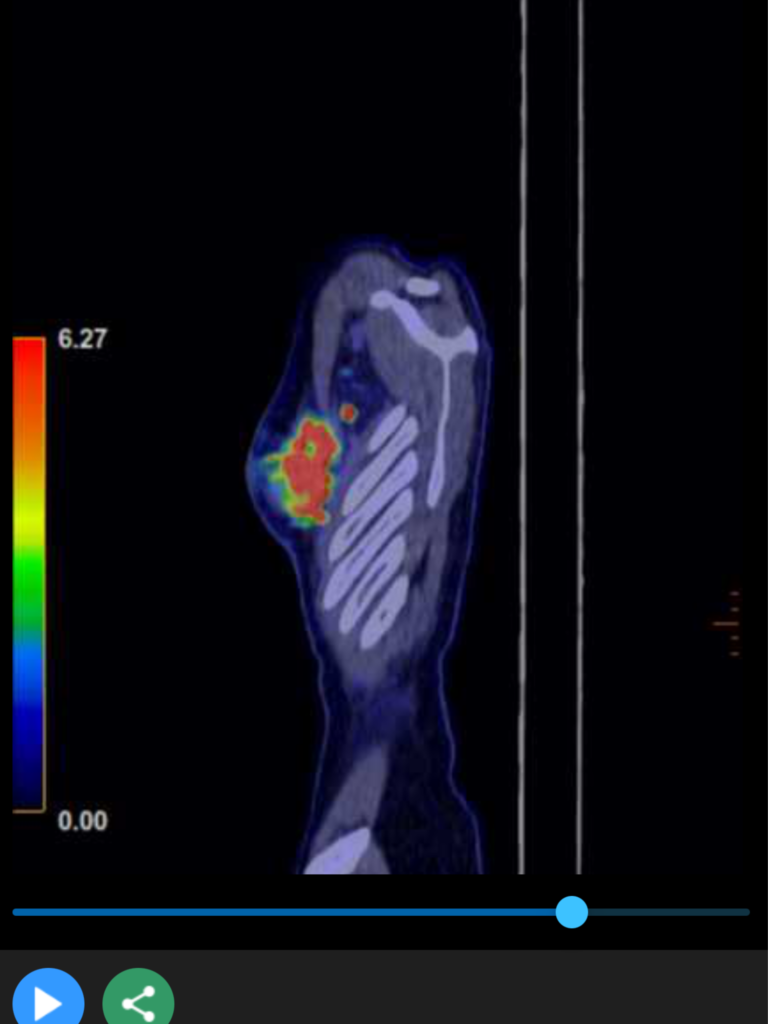
The tumour measured approximately 6.8 cm.
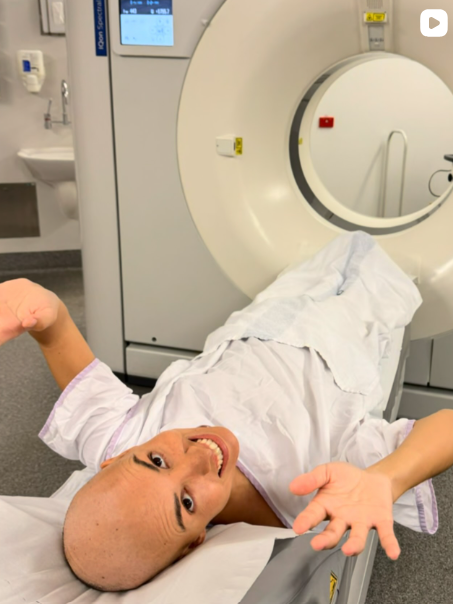
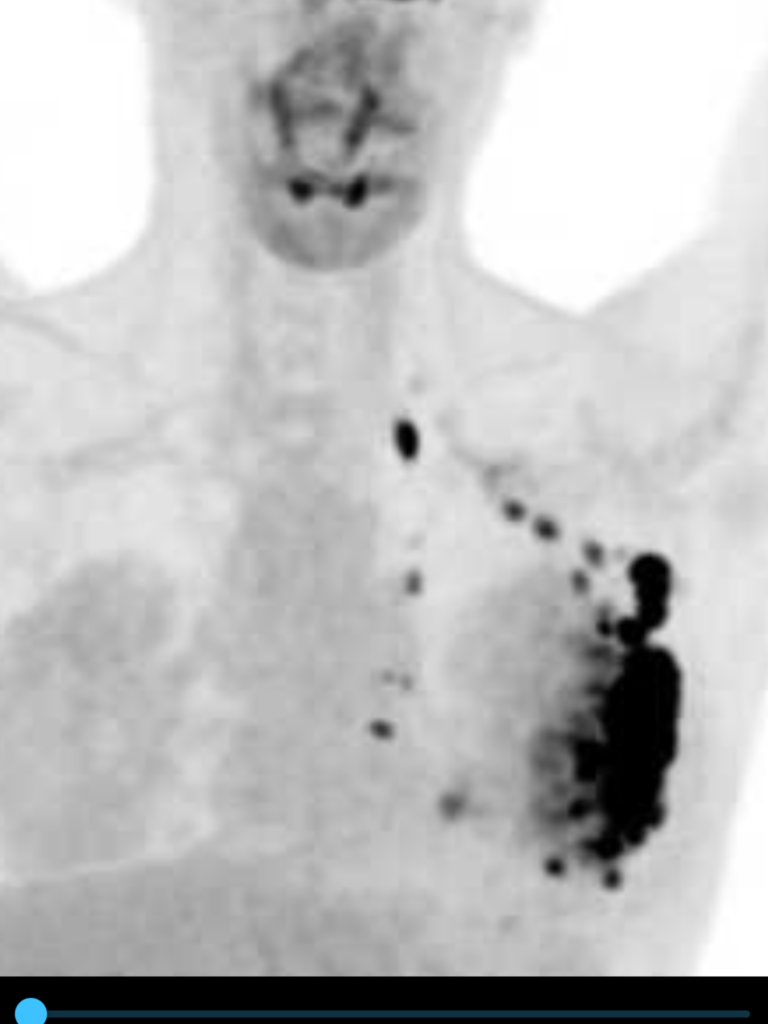
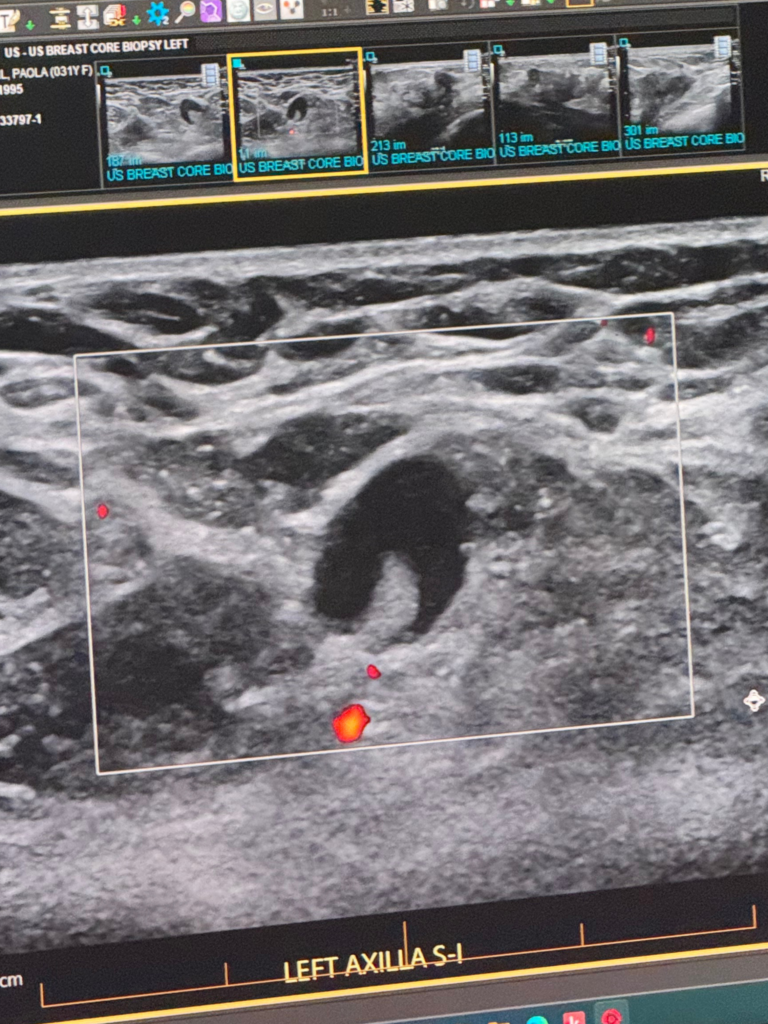
Further imaging and biopsies confirmed breast cancer, with cancer also found in my lymph nodes, including nodes extending towards my collarbone.
-
The result
Stage III HER2-positive breast cancer.
At 31 years old, I went from being told to monitor a breast lump to suddenly becoming a cancer patient.
-
Treatment
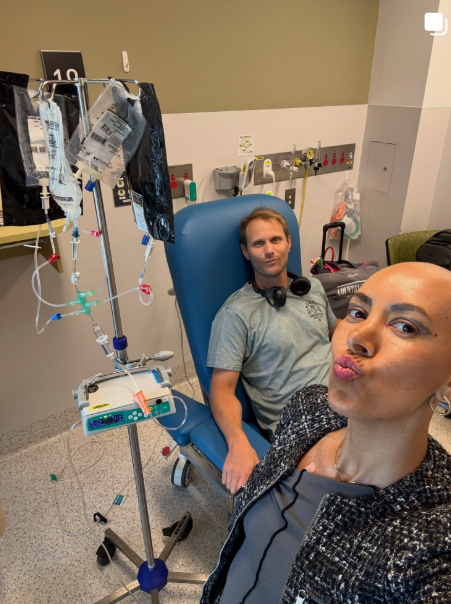
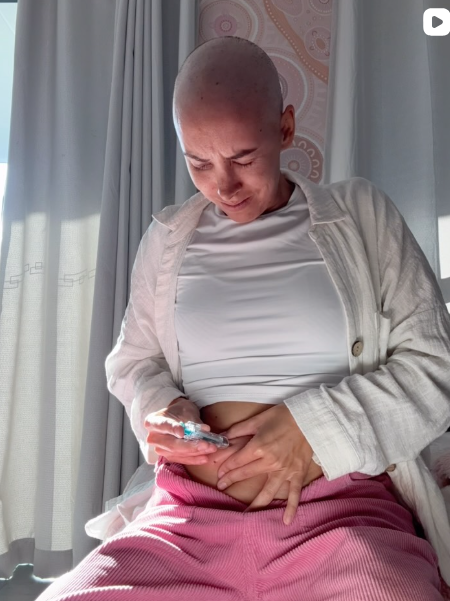
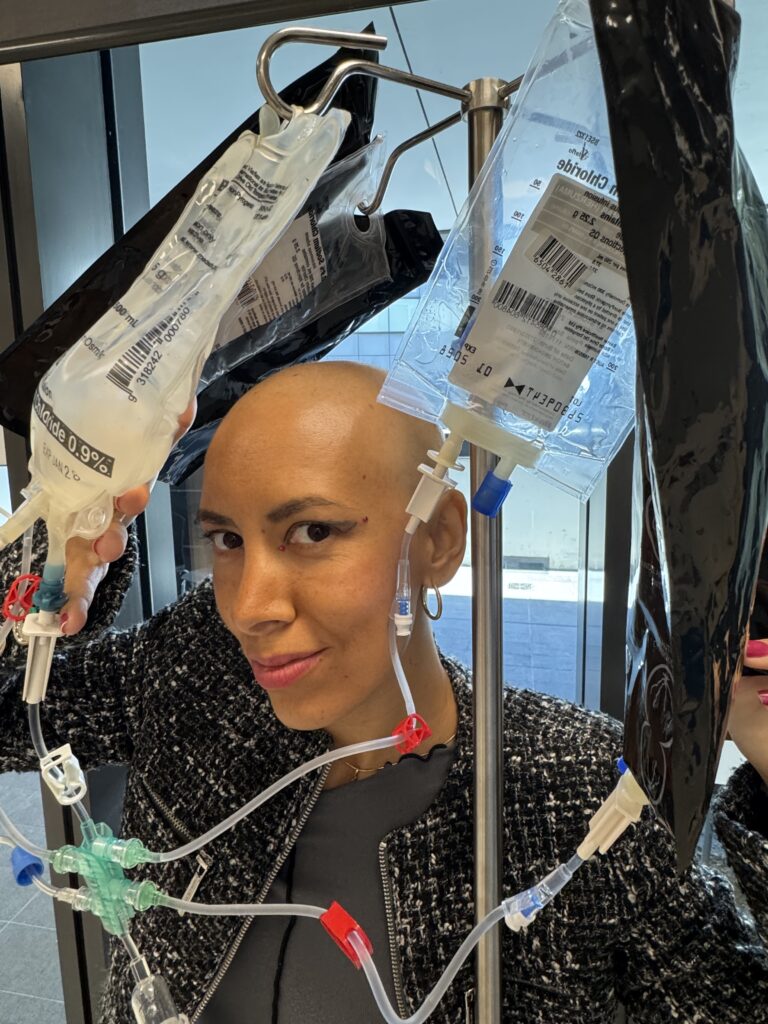
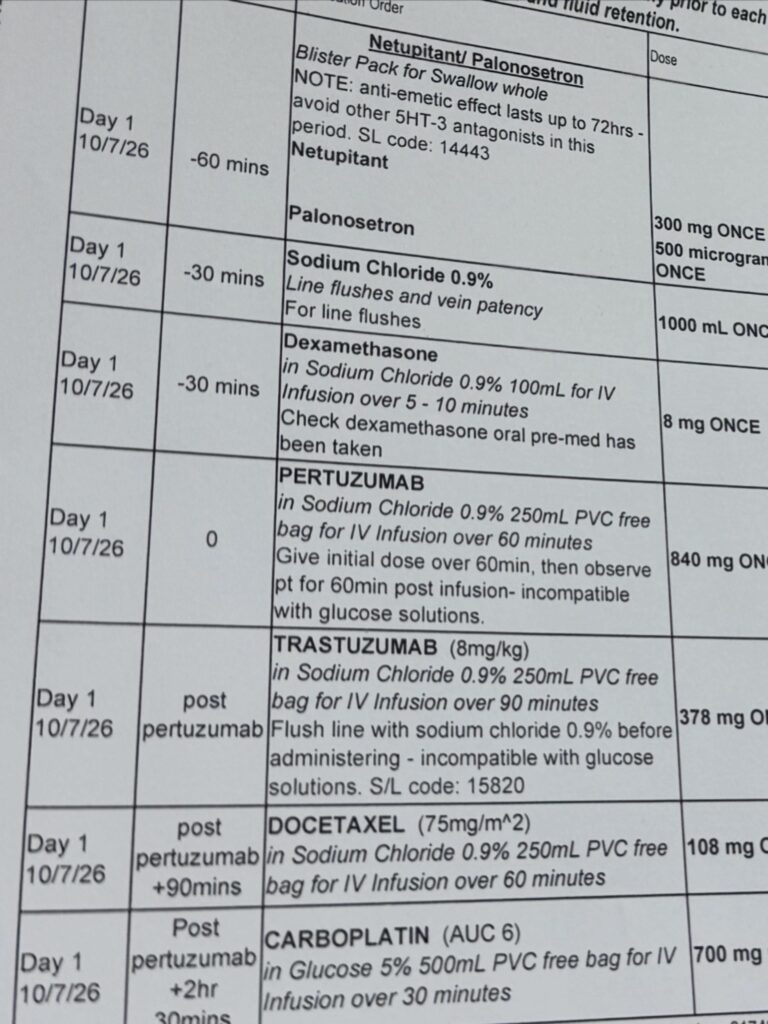
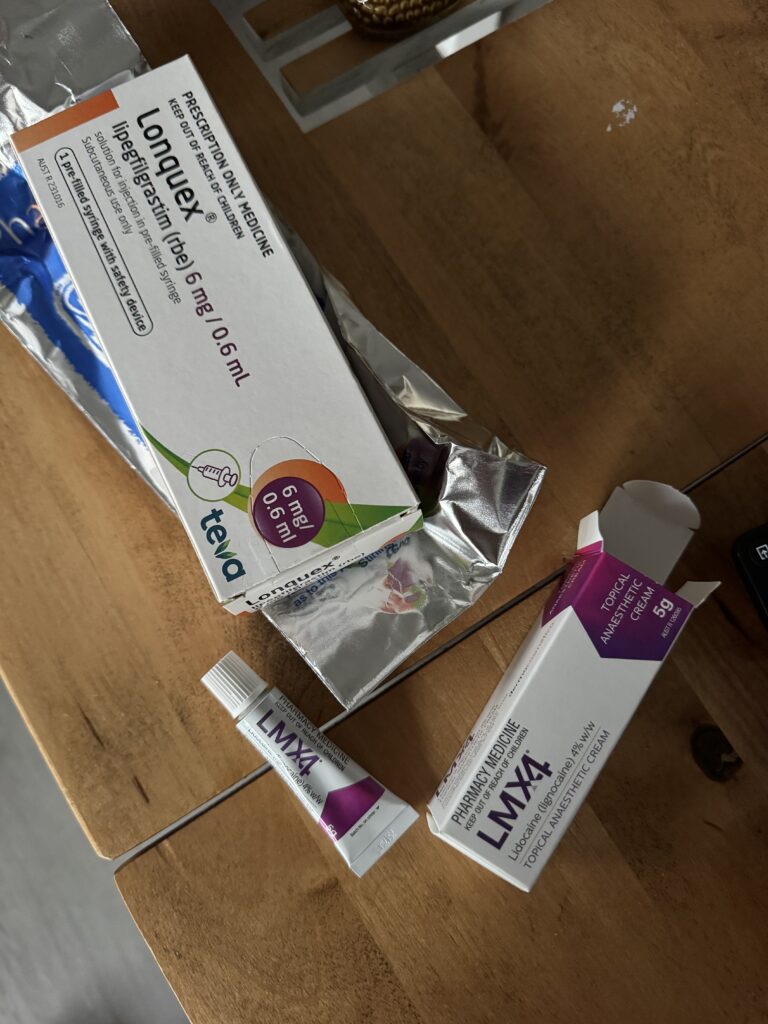
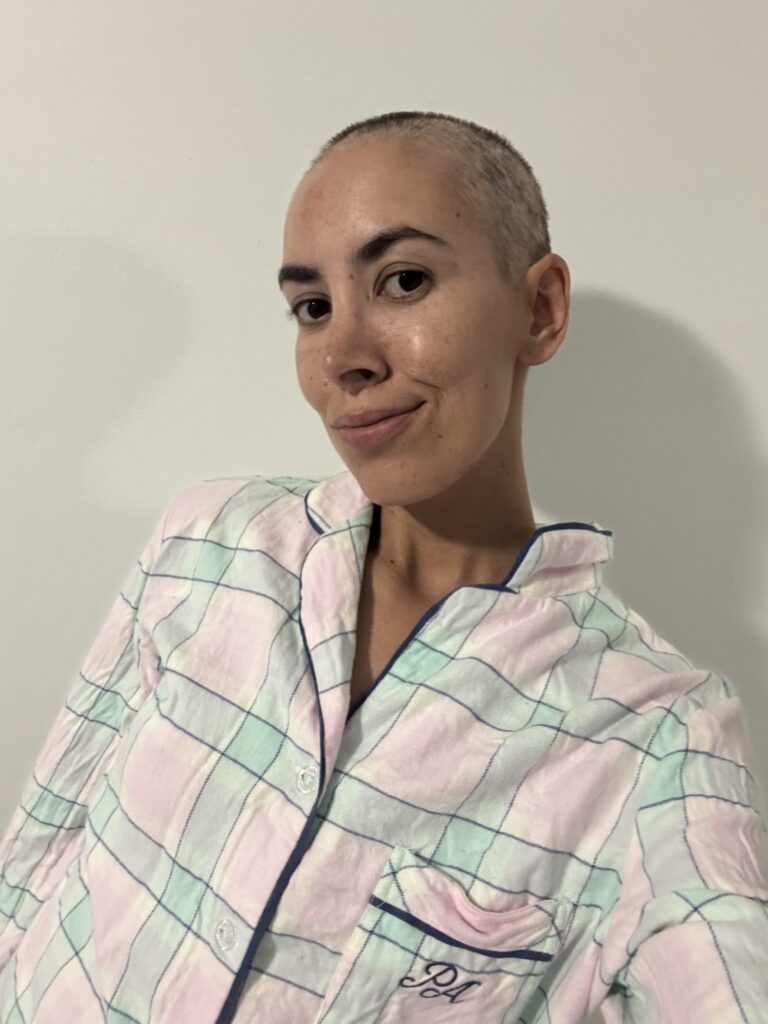
Then treatment became my new normal.
Chemotherapy came first, with surgery and further treatment as part of the road ahead.
I did what I thought I was supposed to do: I found something and I got it checked. What I learned is that if something still doesn't feel right, you can keep asking questions.
Know your normal. Notice a change? Act on it.
Know.
Get familiar with how your breasts normally look and feel.
Notice.
Pay attention when something looks, feels or behaves differently.
Act.
See your doctor. And if you're still concerned, keep asking questions.
You are never too young to pay attention to your body.
#YoungDoesntMeanImmune
Found a change?
Don't ignore it.
Most breast changes aren't cancer. But if something is new or unusual for you, it's worth getting checked. These Australian resources can help you understand what to do next.
Book an appointment with your GP.
If you've noticed a new lump or another unusual breast change, speak to your doctor. Don't wait for a routine breast screening appointment.
Cancer Australia
Evidence-based information about breast awareness, symptoms and breast cancer in young women.
Breast cancer in young womenBreastScreen Australia
Women aged 40 and over can access a free screening mammogram every two years. Women aged 50–74 are actively invited to participate.
Check your eligibilityImportant: BreastScreen is for routine screening and isn't a substitute for seeing your doctor about a new breast symptom. If you've noticed a change that's unusual for you, speak to your GP.
Send this to a young woman you love.
Maybe she already checks. Maybe she doesn't. Maybe this is simply the reminder she needed today. One share could start an important conversation.
#YoungDoesntMeanImmune
A Breast Cancer Awareness Month initiative by Paola Kohl × PK Creative
Paola Kohl × PK Creative
A Breast Cancer Awareness Month initiative encouraging young women to know their normal, notice changes and speak up when something doesn't feel right.
Health information: This campaign shares general breast awareness information and Paola's personal experience. It is not a substitute for individual medical advice. If you notice a new or unusual breast change, speak with your doctor or another qualified healthcare professional.
#YoungDoesntMeanImmune